Tarot & Divination

Tarot for Beginners: How the Cards Work and How to Read Them

A beginner's guide to tarot: the 78-card structure, the Major and Minor Arcana, how a reading works, the most common spreads, and how to start reading the cards yourself.

Yes or No Tarot

Hold your question in mind and draw a card.

Tarot is a deck of 78 cards used for reflection and divination — a tool for thinking through a question by drawing cards and interpreting their images. You don't need psychic ability or years of study to start; you need the structure of the deck, a sense of what the suits mean, and a simple spread. We'll walk through all three, then point you to deeper resources.

The structure of the deck

A tarot deck splits into two parts, and understanding the split is most of the battle:

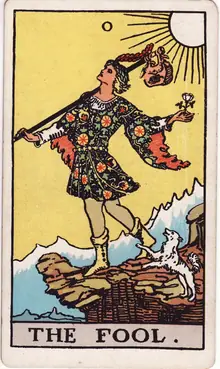
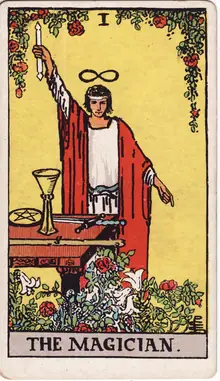
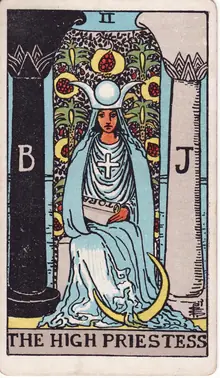
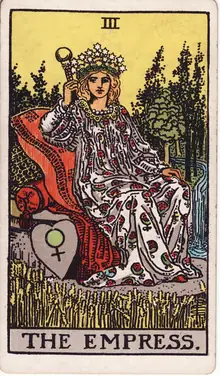
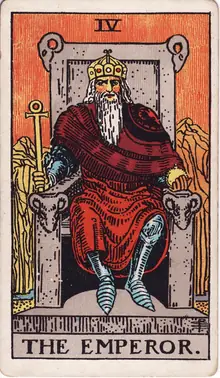
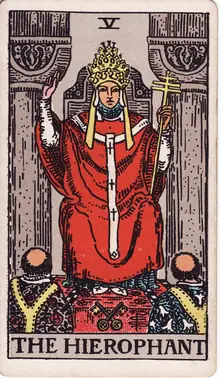
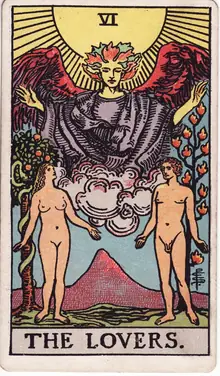
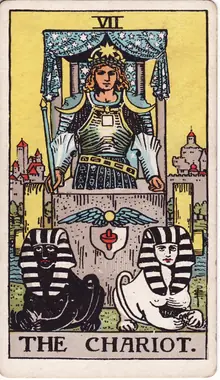
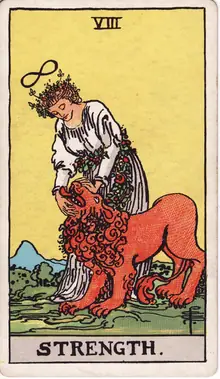
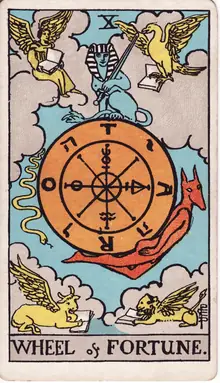
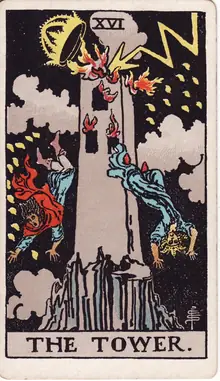
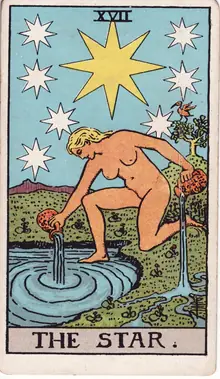
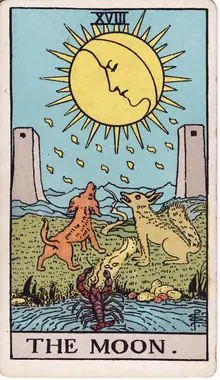
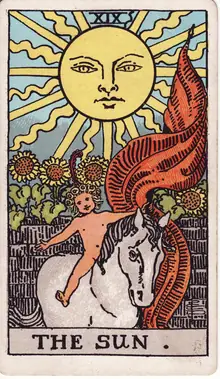
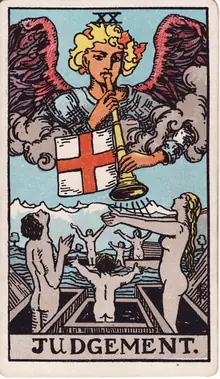
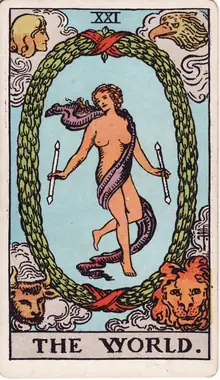
  • The Major Arcana (22 cards) — the "big" cards, from the Fool (0) to the World (21). These represent major life themes and turning points: the Lovers, Death, the Tower, the Wheel of Fortune. When several show up in a reading, the question is touching something significant.
  • The Minor Arcana (56 cards) — the everyday cards, organized into four suits much like a playing deck. They cover the ordinary texture of life: work, money, feelings, conflict.

The four suits

Each Minor Arcana suit governs a domain of life, and learning the four is the fastest way to read the bulk of the deck:

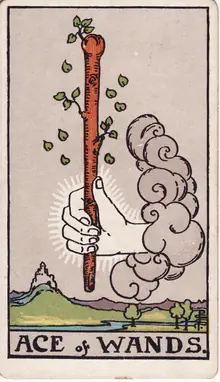
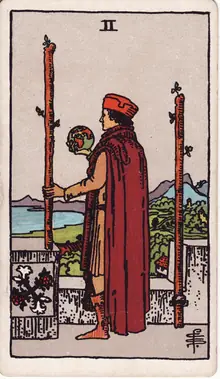
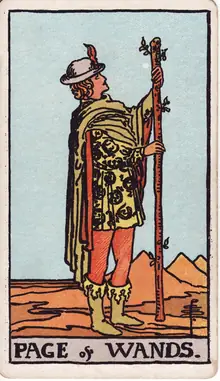
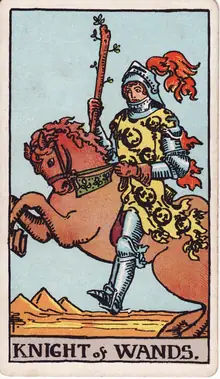
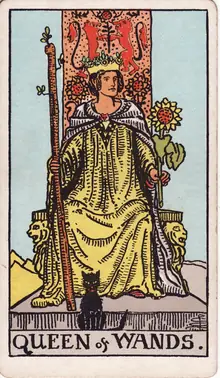
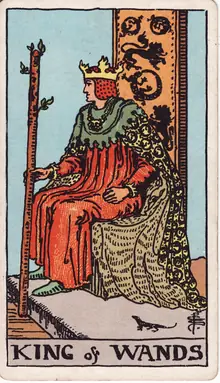
  • Wands — energy, drive, creativity, ambition (fire).
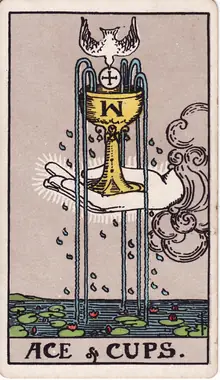
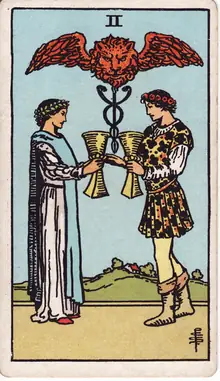
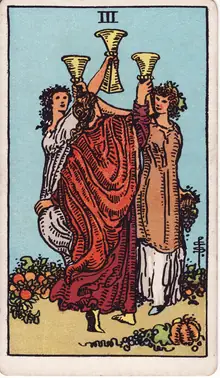
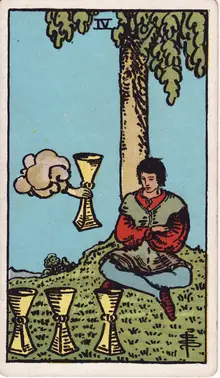
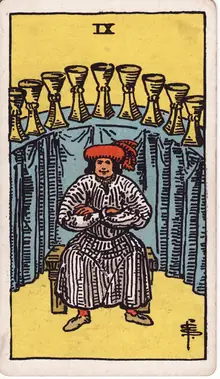
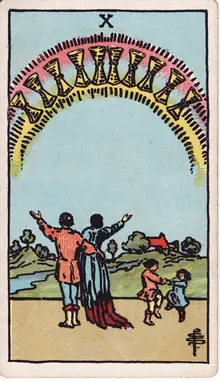
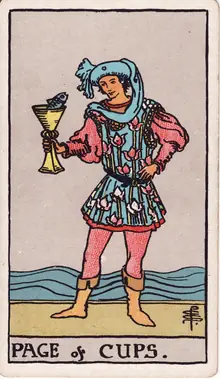
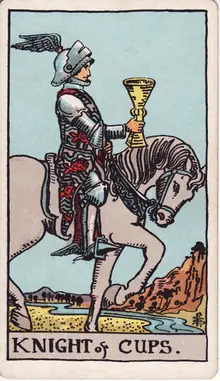
  • Cups — emotions, love, relationships (water).
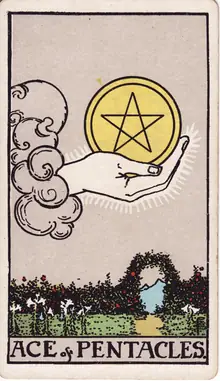
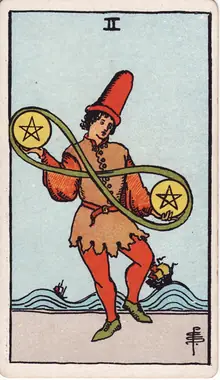
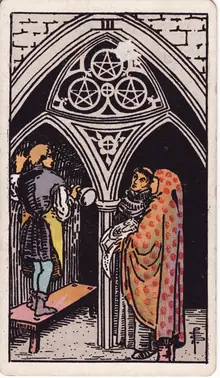
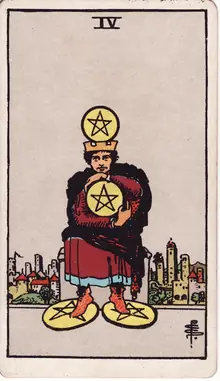
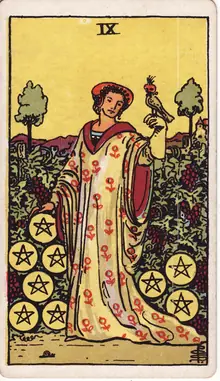
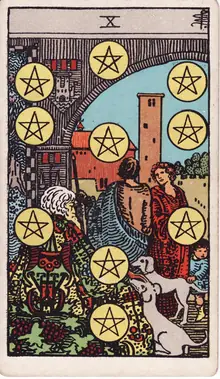
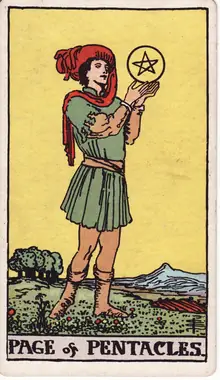
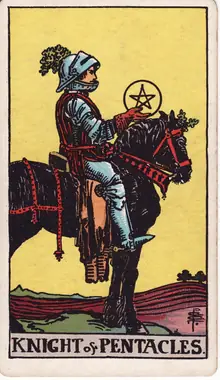
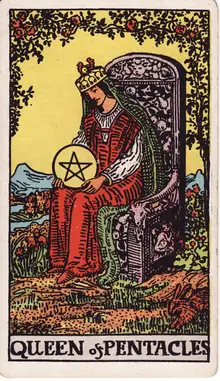
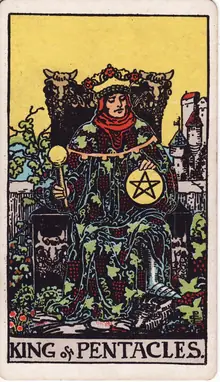
  • Pentacles (Coins) — money, work, the material world (earth).
  • Swords — thought, conflict, truth, difficulty (air).

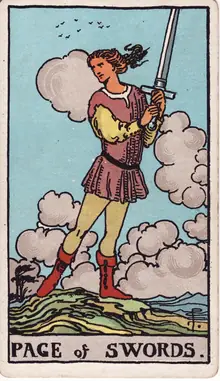
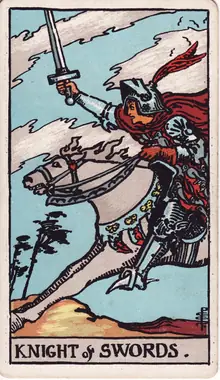
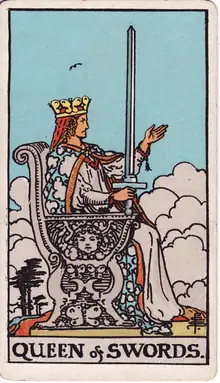
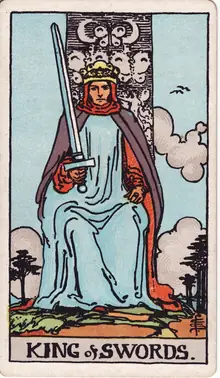
Each suit runs Ace through Ten, plus four court cards (Page, Knight, Queen, King). The number and suit together give a card its everyday meaning — which is also why you can read tarot with an ordinary playing deck, since the structures line up almost exactly.

How a reading works

A reading is simple in form: you frame a question, shuffle while holding it in mind, lay out a few cards in a spread, and interpret each by its position and its meaning. The skill isn't in any single card — it's in reading the cards in relationship to each other and to the question. A three-card past / present / future line is the classic starting spread; from there you can grow into larger layouts.

The most influential deck

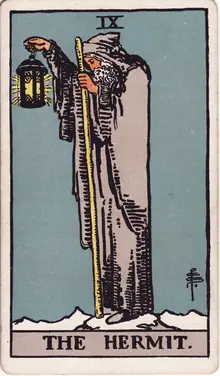
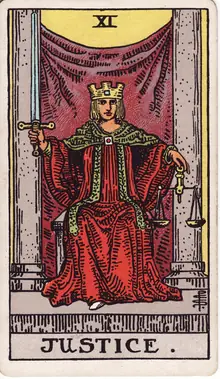
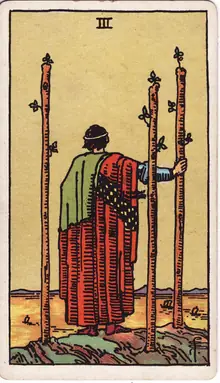
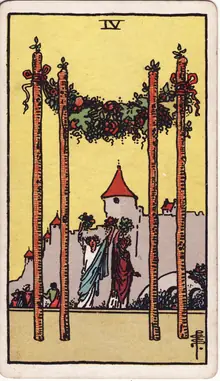
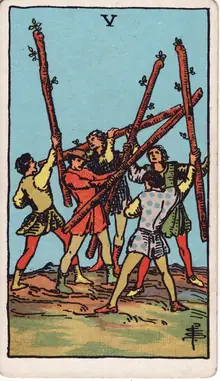
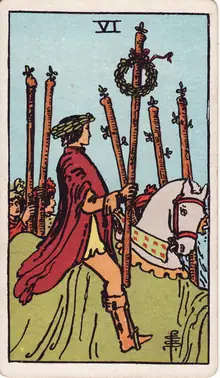
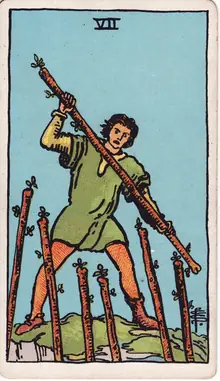
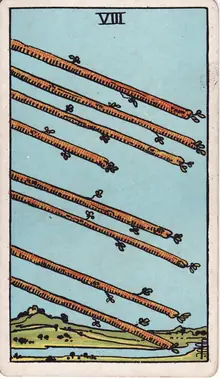
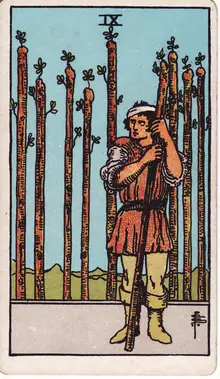
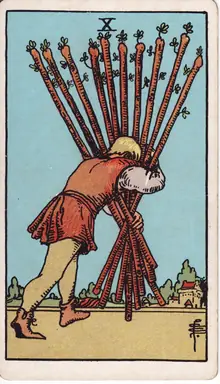
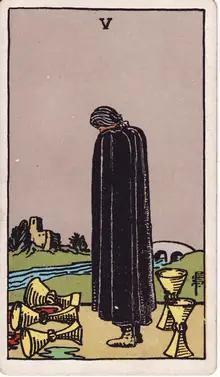
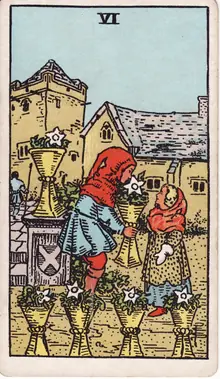
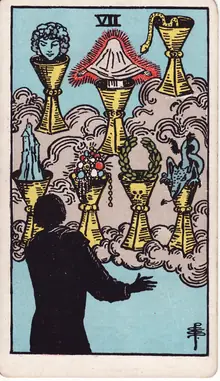
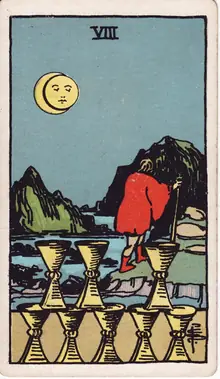
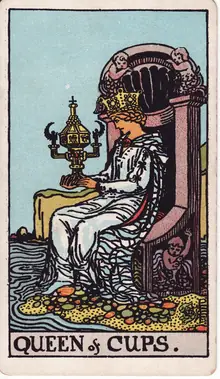
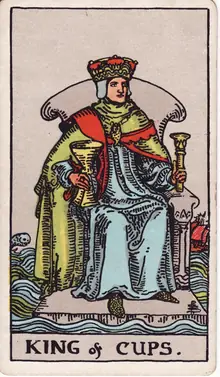
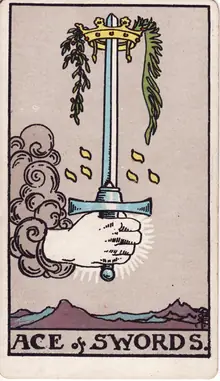
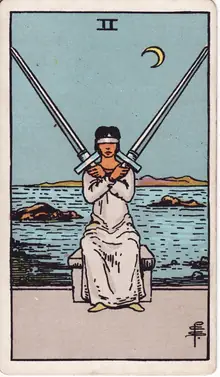
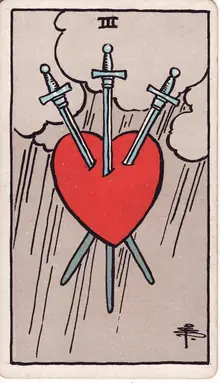
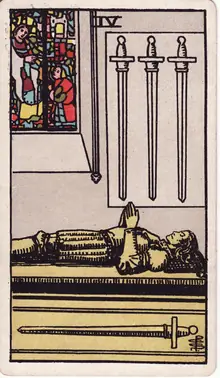
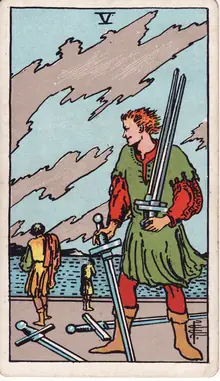
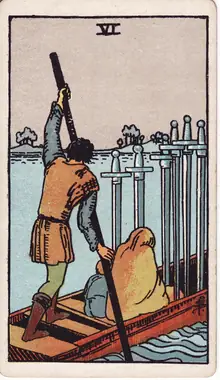
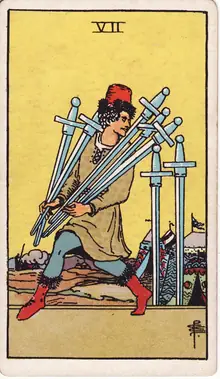
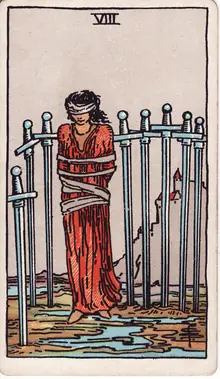
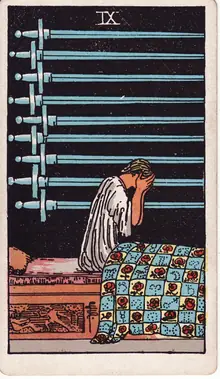
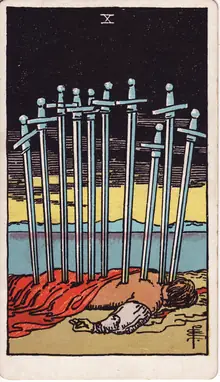
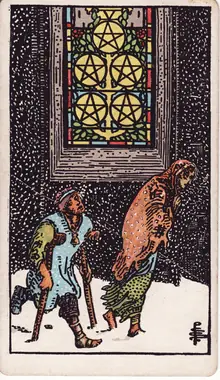
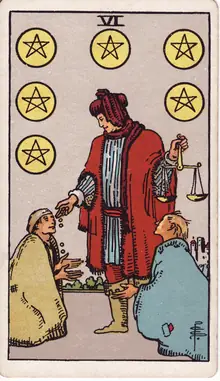
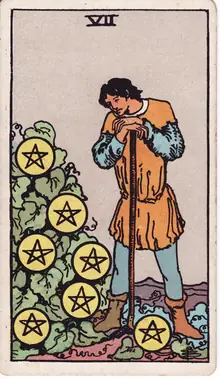
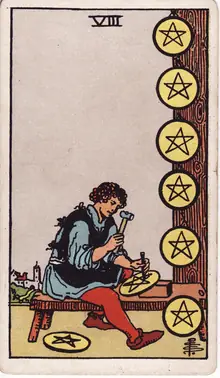
If you buy a deck, you'll likely buy a Rider-Waite-Smith or one based on it. Published in 1909 and illustrated by Pamela Colman Smith, it was the first widely available deck to give every Minor Arcana card a full illustrated scene — which is exactly why it's the easiest to learn on and the template nearly every modern deck follows.

What tarot can — and can't — do

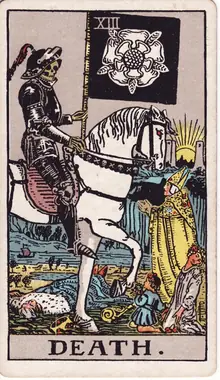
It helps to be clear about what a reading is. Tarot doesn't hand down a fixed future; at its most useful it works like a mirror, surfacing what you already half-know about a situation and prompting questions you hadn't framed. Treat a reading as a structured way to reflect, not a verdict — the cards describe possibilities and pressures, and the choices stay yours. Read that way, even the cards with scary reputations become useful rather than alarming: Death usually signals an ending and a fresh start, not a literal one, and the Tower marks sudden change rather than doom. The meaning is in how the card speaks to your actual question.

How to start reading

  1. Get a beginner-friendly deck (a Rider-Waite-Smith or close clone).
  2. Learn the four suits above — that alone lets you read most of the Minor Arcana.
  3. Start with one card a day. Draw a single card each morning and read its meaning; it teaches the deck faster than occasional elaborate spreads.
  4. Add a simple spread (three cards) once the suits feel familiar.
  5. Keep notes. Writing down the cards and what followed turns a meaning-list into instinct.

FAQs

How many cards are in a tarot deck? 78 — 22 Major Arcana (the big themes) and 56 Minor Arcana (four suits of everyday cards).

What do the four tarot suits mean? Wands = energy and drive, Cups = emotions, Pentacles = money and the material world, Swords = thought and conflict.

Do I need to be psychic to read tarot? No. Tarot is a tool for structured reflection; reading it is a learnable skill built on knowing the cards and practicing simple spreads.

Which tarot deck is best for beginners? A Rider-Waite-Smith deck or one based on it — every card is fully illustrated, so it's the easiest to learn from, and most guides are written around it.

Explore tarot

About this hub

Written by the AstrologyBay Editorial Team. Tarot is described as a tradition of reflection and divination and an interest topic, not a predictive science. Historical claims (deck origins) are cited; card interpretations are traditional.

Sources

(Practical + historical claims. Verify/insert at review.)

  • A standard tarot reference for the 78-card structure and suit meanings; a reference for the Rider-Waite-Smith deck's 1909 origin.